Physical Address
304 North Cardinal St.
Dorchester Center, MA 02124
Physical Address
304 North Cardinal St.
Dorchester Center, MA 02124


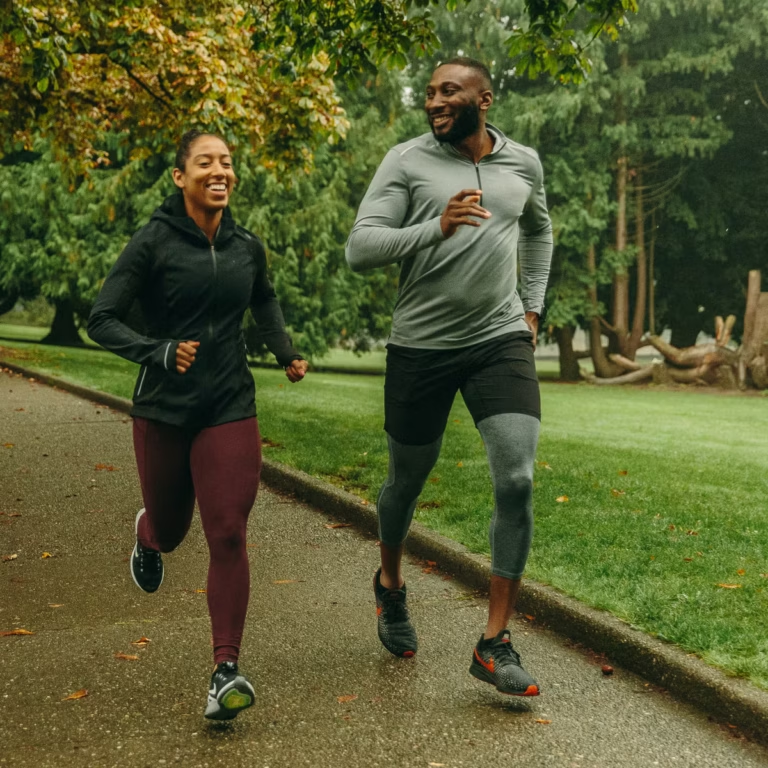
In a world dominated by screens and sedentary lifestyles, fitness has become more important than ever. But fitness isn’t just about six-pack abs or lifting heavy weights — it’s about feeling good, living longer, and being the best version of yourself. Whether you’re a beginner or returning after a break, embracing fitness can transform not only your body but your entire life.
Fitness refers to your body’s ability to function efficiently in everyday activities. It’s not just about how fast you can run or how much you can lift — it’s about stamina, strength, flexibility, coordination, and balance. True fitness also involves your mental and emotional well-being. A fit person handles stress better, sleeps more soundly, and enjoys higher self-esteem.
A. Physical Health Benefits
B. Mental Health Benefits

To achieve a well-rounded level of fitness, it’s important to include various types of exercise in your routine:
A. Set Realistic Goals
Start small. Whether it’s 10-minute walks, three push-ups a day, or one yoga session a week, consistency matters more than intensity at the beginning.
B. Create a Routine You Enjoy
Choose activities that make you feel good. Hate running? Try dancing, swimming, or cycling. Love the outdoors? Hike or go for nature walks.
C. Prioritize Consistency Over Perfection
Don’t worry about missing a day. What matters is building a long-term habit. It’s better to do a little bit every day than to push hard and burn out.
D. Track Your Progress
Keep a journal, use a fitness app, or simply take progress pictures. Watching yourself improve can be incredibly motivating.
Fitness isn’t complete without proper nutrition and rest. Your body needs fuel to perform and recover:
Here’s how to stay on track:
Fitness is not a destination — it’s a lifelong journey. It’s not about being perfect but about becoming stronger, healthier, and more energized each day. Whether you’re starting with five push-ups or a short walk, every effort counts. Your body is the only place you have to live — treat it with care, and it will reward you with strength, resilience, and a better quality of life.